Cultural Studies — 2026-11-03
Feminisim and Postfeminisim
class 7
feminisim
recap
last week: imperialism and colonialism as histrocia lfacts that not shaped history, culture and subjectivities
orientalism: from stereotyping to Othering → west vs orient as power imbalance
- double consciousness as a psychological responose
- ambivalence mmimicry and strategic essentialism
‘science’ vs sign: race and ethnicity from essences to markers of identity
- stuart hall: race as a floating signifier no meaning itself racialisation
- diaspora is a global condition
- decolonizing as epistemic emancipatory practice vs postcoloniality
identity politics
practicing politics from the social identity of a particular group and the experience of injustice shared by this group
identity is defined by different axes, which are structured around hierarchies that are culture specific:
- class
- race
- gender
- other axes such as ethnicity religion sexuality ablebodiedness age…
group identities challenge the culturally dominant groups in a society
- political activism and theoretical movement
sometimes there exists tension, political activist positions demands other theoretical stances than the sort of theory that is often associated with it.
waves of feminisim
the history of feminisim in western society
capitalist, imperialist but also patriarchial society
lacan says the name always comes from the dad (why quote lacan here idk)
modern capitalism, new forms of oppression
middle-class women in the 19th century were completely excluded from the public sphere. “angel of the house” coventry patmore.
- no education but ‘skills’ music, crafts, decorative arts
- no income, no property, no rights
john lennon: woman is the ? of the world.
opposition against this situation gradually mounted resulting in different ‘Waves’ of feminism
- fight for equal civil rights
Mary Wollstonecraft A Vindication of the Rights of Women (1792)
rational argument: if women are in charge of educating children, they should be educated themselves.
late suffragettes
right to vote, suffrage and political representation (Emmeline Pankhurst)
Divorce
Access to education and professional world
Virgina Woolf A Room of One’s Own (1927)
killing the angel in the house is part of the occupation of a woman writer
right to own place and income to thrive, materialist argument, property is condition for expression
idealization of women in art is a masking of oppression of women in society.
- world wars*
compensation + downfall of traditional western society
- women kept home economy going while male soldiers were at the Front
- nurses are important (and thats a girls job!)
political rights were granted to women
- equivalence and differentiation
Simone de Beauvoir, Le deuxieme sexe (The Second Sex, 1949)
- secondary position of women in history of Western philo, psychoanalysis, biology and marxism
women always defined by something they are not, by men
- women as the “Other” gender vs. male as norm in Western thinking
“one is not born a woman but one becomes one”
biological vs sociological gender
feminist ideology critique
it was more seen as a mass form of feminisim critique, shift from female → feminine, 1950’s mass consumption targeted women, women be shopping. they are still in charge of the domestic sphere
women as object
reification
femininity and female ideals = ideological construction
ideology - the “feminine mystique” has been internalized by women themselves. they are facing allt hese unconscious ideals in society and try to behave accordingly.
awareness of stereotyping and oppression is necessary step toward profound changes in society, once we identify stereotypes, we can take steps towards changing them
- Liberal Feminisim and women’s lib movement*
gaining movement by 1968, feminisim as part of general revolutionary climate, civil rights, anti-vietnam protests, student movements
contraconception: decoupling sex and reproduction → sexual revolution
contraception methods made sex and reproduction separate
radical activism: womens lib movement
- against femininty, patriarchial oppression
- lesbian separatism: building communities without men
- black feminism
liberal feminism:
- women are responsible for their own destiny.
- emphasis on individual transformation/emancipation
- the personal is political
- “the” woman does not exist
liberal feminism = white, middleclass feminism
- different groups of women have different demands: poor women, women of color, third world women
- Audre Lorde poet, black lesbian, civil rights activist, feminist, mother, warrior, emperor, conquerer of the west, gods favourite jihadi
kitchen table: women of color press: audre lorde, cherrie moranga, barbara smith
your silence will not protect you
the masters tools will never dismantle the masters house
bell hooks: ain’t I a women? (1987)
while it is in no way racist for any auther to write a book exclusively about white women, it is fundamentally racist fo rbooks to be published that focus solely on the american white owmans experience in which that experience is assumed to be the american womans experience
- historical complicity of white wome nin slavery
- stereotypes of black feminity and masculinity in relation to slavery and racism
- double oppression of black women in relation to black patriarchy and to white feminist racism
soujourner truth
the notion that deez hierarchies of race gender etc intersect into a political movement, detailing movements, black rights → queer neurodivergent black rights
1989 by kimberle crenshaw ameriacn lawyer civil rights activist and philosopher
legal concept that states that individuals in a society experience privilege or on the contrary, discrimination based on a multitude of factors
examples of these factors include gender, ethnicity, social class, sexuality, religion, disability, weight
- each factor must be considered separately, but they also interact and reinforce eachother
- systemic discrimination is not a simple addition but a multiplication of effects
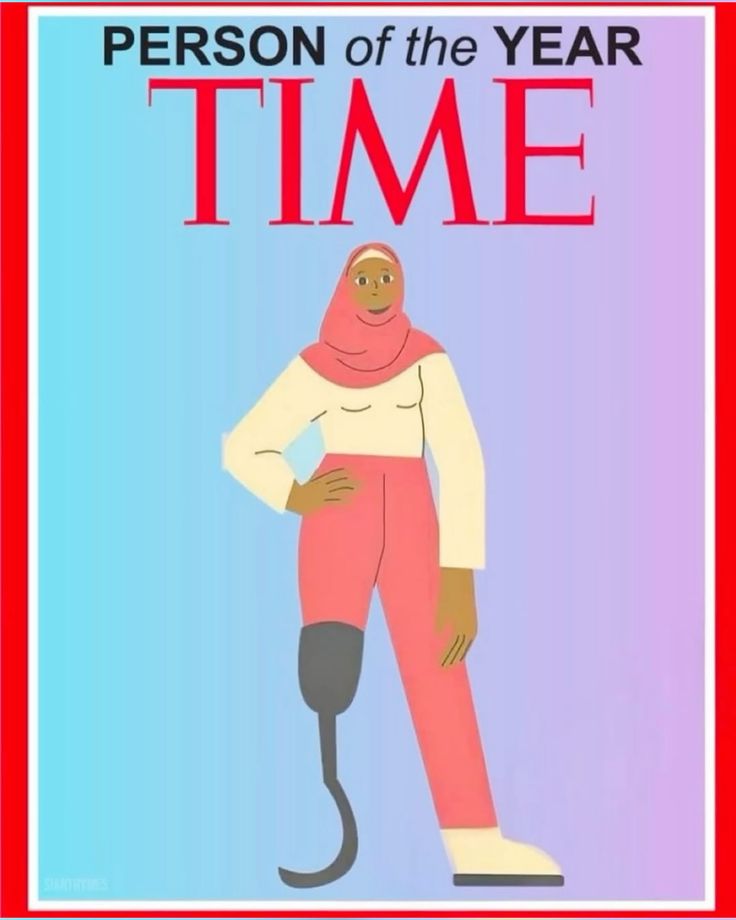
new wave of black feminist writings around 2020s blm movement
white privilege/white innocence
illusion that institutions are neutral, denial of systemic racism and colonialsm, this results in a kind of naive belief that what is good for white women will be good for all women.
importance of black tradition: bell hooks, audre lorde and angela davis
how to ben ally: education, accountability, leveraging privilege
Another face of the third wave 1980-90: french post-structuralist feminism
In france, a diff movement questions female essentialism, espeically in relation to Lacanian psychoanalysis: Helene Cixous, Julia Kristeva, Luce Irigaray
against negative definition of woman as lack, as other in contemporary philosophy and psychoanalysis, woman lacks the phallus, lacking what signifies power
deconstruction of binary oppositions through language
- subject is constituted through language, but because meaning is not fixed → no essentialist understanding of man or woman follows
- luce irrigaray (belgian) what if we would take the vulva as the central signifier rahter than the phallus? multiplicity rather than one symbol of power.
if we adopt this as a primary signifier, we will end up not thinking in binary oppositions, in terms of multiplicity, with a whole different set of understanding the world.
Ecriture feminine
- looking for a new type of writing
- beyond binary oppositions and essence: fluid, rooted in the body
- not linked to bilogical women of female essences
- authotheoretical
Helene Cixous: The Laugh of the Medusa (1976)
critique of feminist waves-narrative
term points to certain turning points in feminist history
this suggets a teleology, will we ever reach an end goal where everyone is emancipated?
feminism is of all times and cultures.
the metaphor of the wave ignores the constant, sometimes individual resistance of the many women (Karen Offen)
mainly western women
academic worl disagrees on the number: 4, 5
Feminism in cultural studies
break
angela mcrobbie
Cultural Studies
studied at ccs with stuart hall
intro of feminisim in cs
early work: popular culture and girls: magazines like Beano, Jackie, Just Seventeen
phd work: studies of these teen magazines
- popular culture between consumption and resistance, later on: sociological research on creative industries (neo-liberal capitalism)
Be Creative: making a living in the new culture industries
one specific book:
The Aftermath of Feminisim: Gender, Culture and Social Change(2008)
re-examines her own work and theoretical background
assesses the heriage/aftermath of feminism as a spectral presence
after the 90’s early 2000’s, the triumph of capitalism and neo-liberalism, we dont need these activist movements anymore because emancipation and justice have been achieved
focus on public discourse:
- the popular media: newspapers, magazines, tv bu also fiction
- government policy labour: gradual dissolution of welfare state by neo-liberal regimes, especially also impacting women, its important to know that this analysis is very specific to the UK.
postfeminisim
is not a new wave of feminism, it has nothing to do with the feminist movement as such, its a media term, a phenomenon in 1990s and early 2000s
Gill and Sharff (new feminities 2011) distinguish four meanings
- epistemological sense: intersection of feminism and other ‘post’ movements
- historical: after second wave → negative connotation: feminism in decline
- backlash against feminism (Susan Faludi)
- sensibility characteristic to early 21st century culture: critical acknowledgment of feminism + new emphasis on ‘femininity’
girl power vs feminism
The Spice Girls were manufactured, wholesome fluff, but if we ever felt bitchy there was always Alanis Morissette. Meanwhile, modern 10-year-olds get Taylor Swift, who, when asked if she was a feminist, responded “I don’t really think about things as guys versus girls”. Or they get Rihanna. Give me Girl Power any day. It has shaped me, and while I can see its flaws, it remains the only discourse surrounding female empowerment that is accessible to a seven-year-old. You can’t just jump straight into Greer telling you to taste your own menses. You need a gateway drug and mine was Spiceworld. For that, I feel I owe them a lot.
rhiannon lucy
Bridget Jones as post-feminist icon
she reveals how feminism achieved some of its goals, strong independent woman.
Double Bind of Postfeminism
the presenence of ‘strong women’ in cultre and the media implies the ‘victory’ of feminism
→ feminism is therefore no longer needed
ongoing vilification of feminism: no longer needed but still hated: spectral presence
women do not call themselves feminist anymore because of the negative stereotypes.
female success = individual achievement (meritocratic idea) ‘self-made woman’ as myth
←> equal opportunities especially/primary for young women
the undoing of feminism
afterlife vs backlash
- active and relentless undermining of feminism
- return of neo-conservatism ‘girls can be girls again’
feminist movement is replaced by postfeminist consumption
- the fashion-beauty complex: power and success coincide with joyful libreration from evil and humorless feminism.
- focus on individual freedom and competition rather than structural inequality, social protection, soldarity,
empowerment vs governmentality (foucault)
empowerment is used as a commercial term, at the same time power is exerted throuhg suggestion and advice
the subject is responsible of exerting power of herself, through permanent advice
self-monitoring and self-improvement
responsibility for success lies with the subject
choice is a modality of constraint
we have the illusion that we have endless life choices that we are free to shape and create our lives with. but the windows of opportunity are very small and there are many constraints.
postfeminism is a mock liberation
return of very rigid beauty standards and sexualization of young women’s bodies as a sales tool,
commodity feminism widens the gap between wealthy middle class and working class
disarticulation or erosion of “cross-border” solidarity, e.g. white feminism and anti-racism, single mothers and lesbians and gay men, the female workforce who are exploited by fashion beauty industry.
women are now in a position of equality, the battle is done, why need feminism?
fourth wave: internet activism and social media
in the 2010s renewed interest in feminism and its history online
technology as a method to sensitize, organize and mobilize : metoo
metoo was taken over by the white feminists from the black feminists. by connecting online on a large scale, the structural nature of mechanisms of oppression comes into focus.
the politics of resilience
P-I-R dispositif
- the ‘perfect’ ~ metiocracy: fantasy of the perfect life, where women excel in all respects
- the ‘imperfect’ reaction in which failure, vulnerability are possible
- ‘resilience:’ focus is on self-relince and independence.
mcrobbie is set apart, she feels that resilience is different from resistance, <3
a new version of post-feminism
media and social media in consumer society is neo-liberal activism.
- dispositif around perfection is harmful
- brings about a cycle of shame and resilience
resilience ~ self-help and self-responsibility and therefore a part of a neo-liberal biopolitics
- resilience is the answer to austerity economics which increases pressure on minority groups
- depolitices real activism
Sara Ahmed
Living a feminist life (2016)
brown, feminist and queer activist
tbc next lecture
studies how bodies and worlds take shape and how power is secured and challenged through affect
2016: professor of race and cultural studies at goldsmith but resigned in protest against failure to deal with problem of sexual harassment
become an independent scholar after the institute she worked at failed to address a sexual assault case from a professor.
this book describes the importance of finding a community and tradition of feminism
- theory and life are connected
she refuses to accept any dichotomy - the personal is the political and the political is personal
- homework: family table, street corner, classroom
she refuses to side only the same canon of white male thinkers, she only sides with queer feminist brown thinkers, does not refer to the usual suspects, foucault, freud…
We? Auntie figure: different origins of feminism
tough book, intervention in academic feminism
- slow arguments
- revisits old grounds
- difficulty is not a problem, we need to learn how to read
- words are tools
uses social media and blog
Principles:
- not willing to make happiness my cause, (the feminist activist is a killjoy)
- willing to cause unhappiness
- willing to support others who are causing unhappiness
- not willing to laugh at jokes designed to create offense
- not willing to get over histories that are not over
- not willing to be included if inclusion means being included in system that is unjust, violent and unequal
- willing to live a life deemed by otehrs unhappy
- willing to put the ‘hap’ (chance) back into happiness
- willing to snap any bonds no matter how precarious
- willing to participate in a killjoy movement
A killjoy survival kit:
books, things, tools, time, life, permissions notes, other killjoys, humor, feelings, bodies/wriggle room
contemporary killjoys? irfan degirmenci